
Please check out my new web presence at zechielmusictranscription.com.
 Welcome
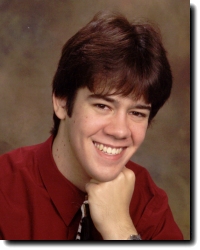
to Zechiel Music Transcription Service. My name is John Zechiel, I'm a graduate of the USC Thornton School of Music
in Los Angeles, and I have been transcribing music for customers for over
years. If you are looking for someone to transcribe music with personal care and one-on-one
attention to your project, you've come to the right place. Music transcription service generally refers to listening to an auditory source of music, and then
notating that music down on paper. Transcribing music is exactly what I can do for you. You can contact me at
.
Welcome
to Zechiel Music Transcription Service. My name is John Zechiel, I'm a graduate of the USC Thornton School of Music
in Los Angeles, and I have been transcribing music for customers for over
years. If you are looking for someone to transcribe music with personal care and one-on-one
attention to your project, you've come to the right place. Music transcription service generally refers to listening to an auditory source of music, and then
notating that music down on paper. Transcribing music is exactly what I can do for you. You can contact me at
.
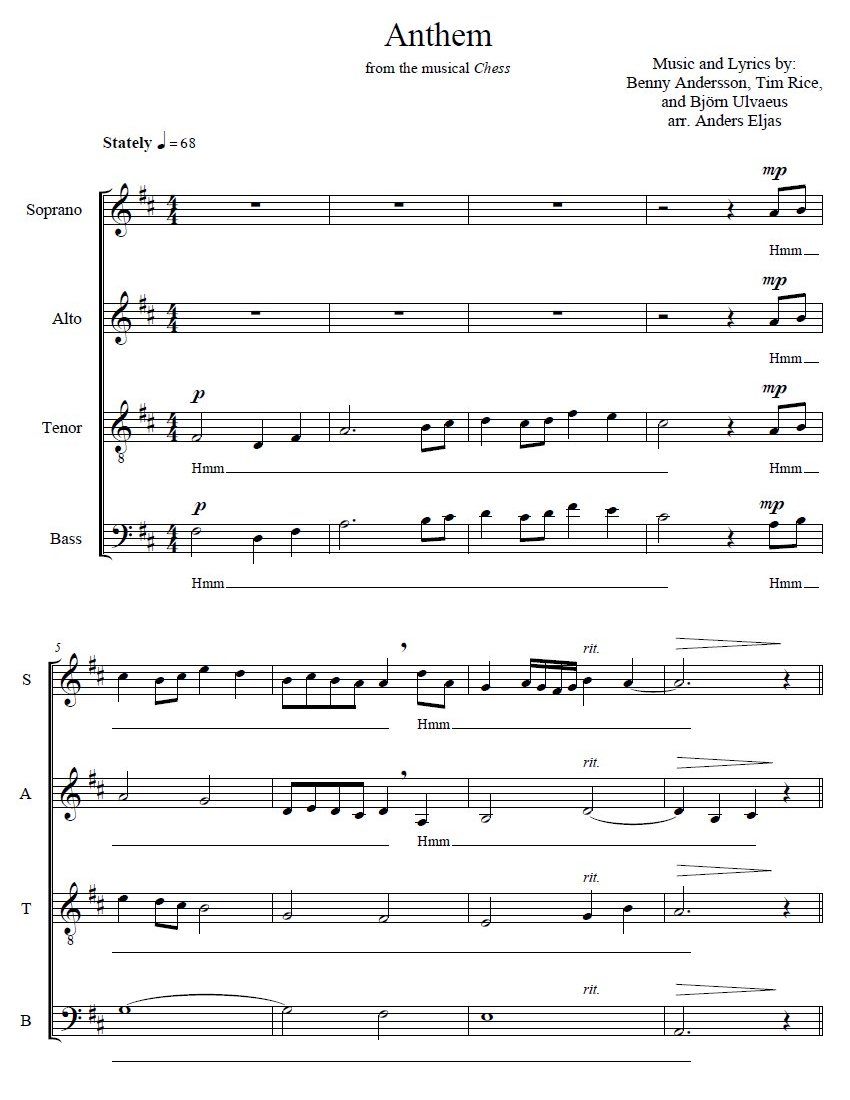
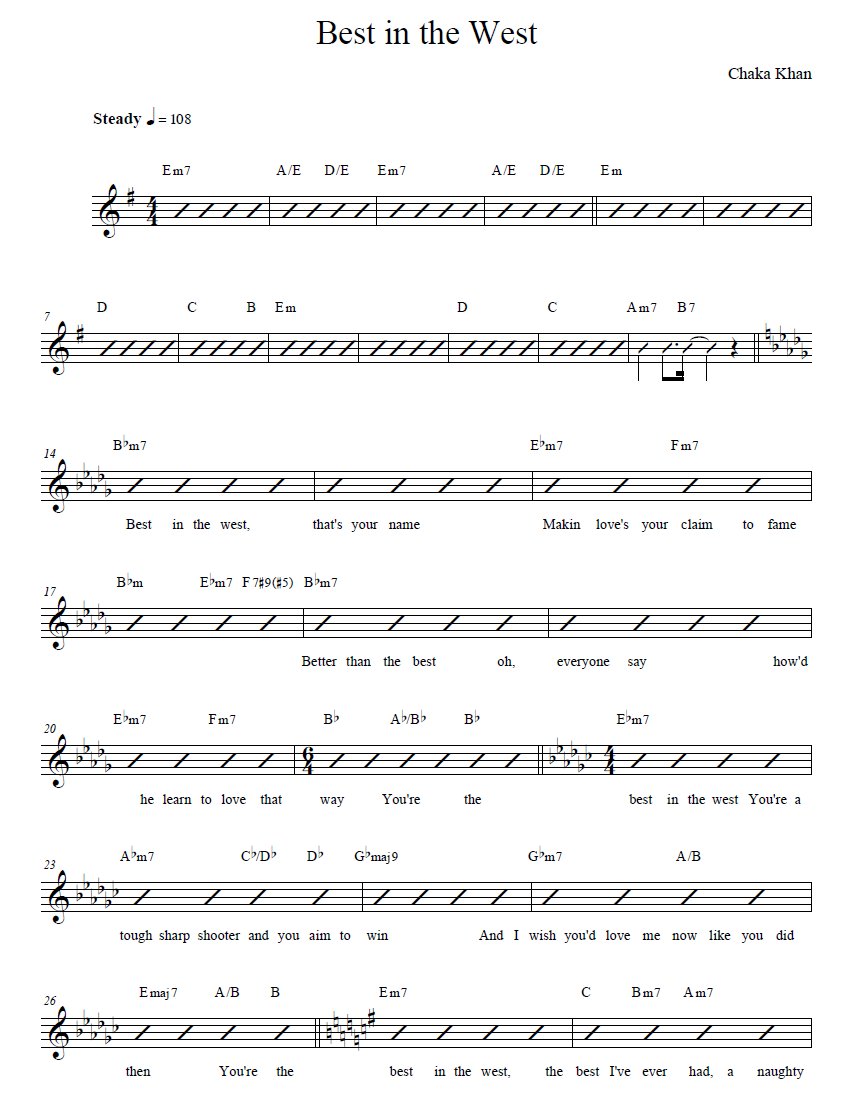
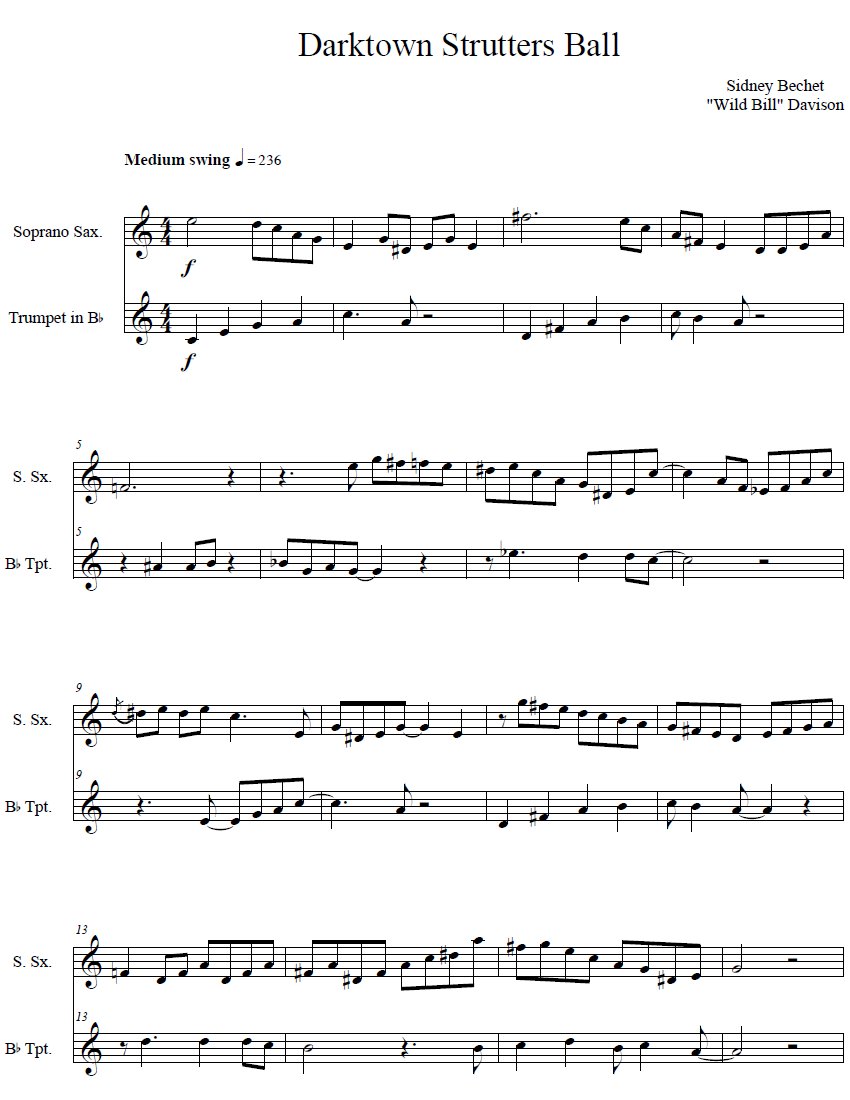
I specialize in transcribing and arranging music for piano, but I can also transcribe music for guitar, voice, and just about every other instrument. Please note that while I do not transcribe in TAB, I am more than willing to write out guitar transcriptions using standard notation. I can transcribe both original music, or already recorded songs for which the published sheet music is unavailable.
I complete most transcriptions in under five days. Using Finale, I will deliver to you professional sheet music as a PDF file that you can have published or duplicated. I can provide you with a MIDI file, an MUS file, or an XML file (readable by Sibelius), as well as transpositions, for no additional charge. I am also able to take your hand written score and produce a professional engraving.
Your satisfaction is guaranteed. Thank you for the opportunity of working with you.
| Selected Customer Quotes:
|
|
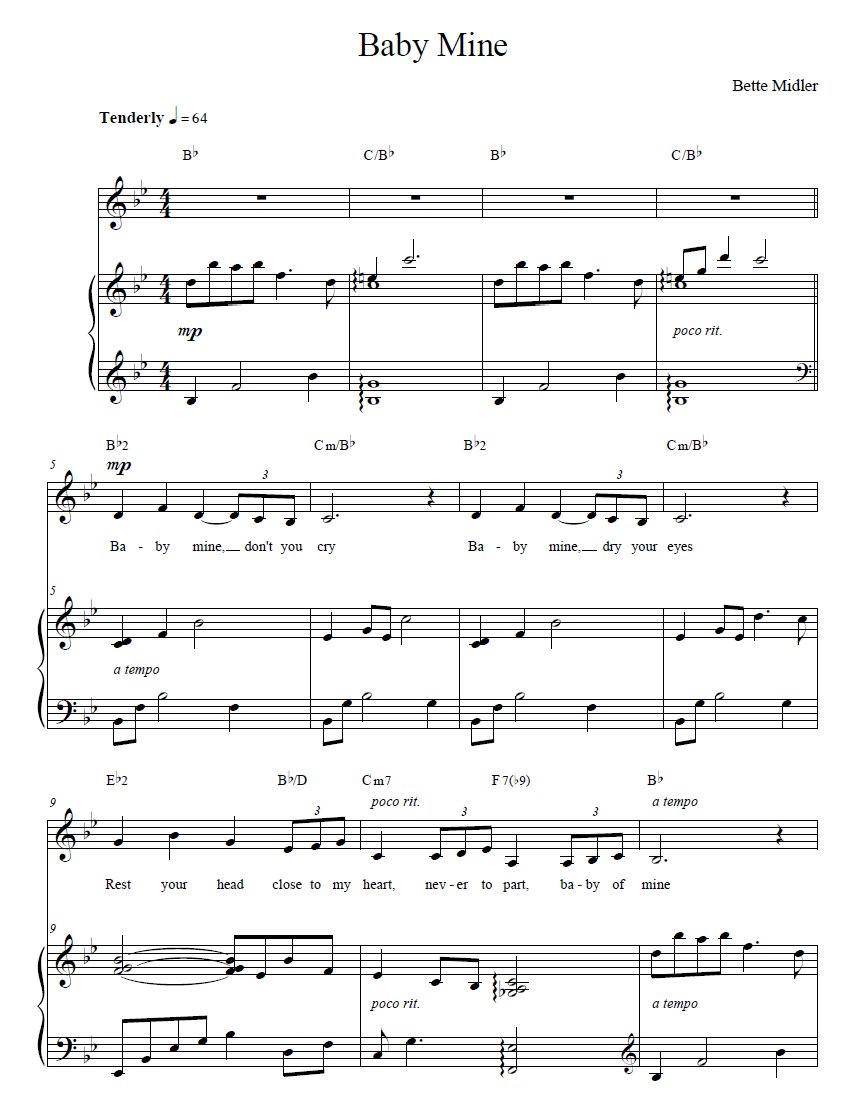
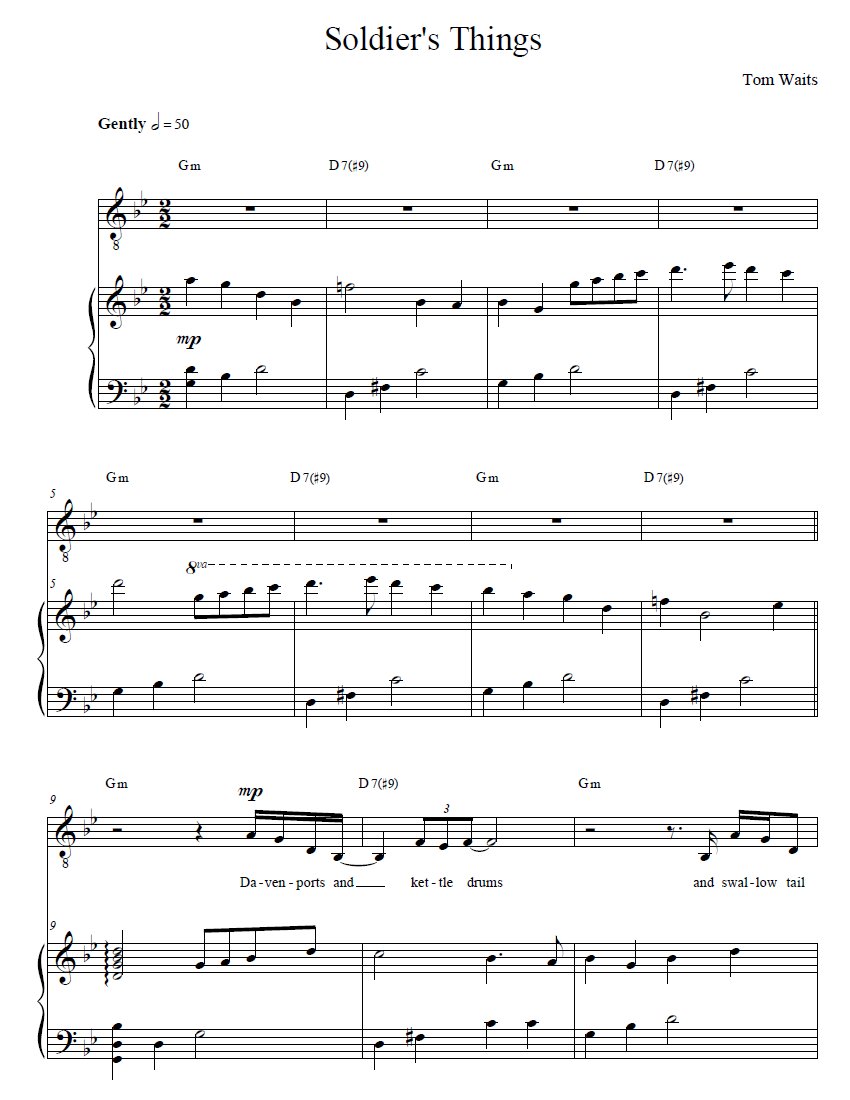
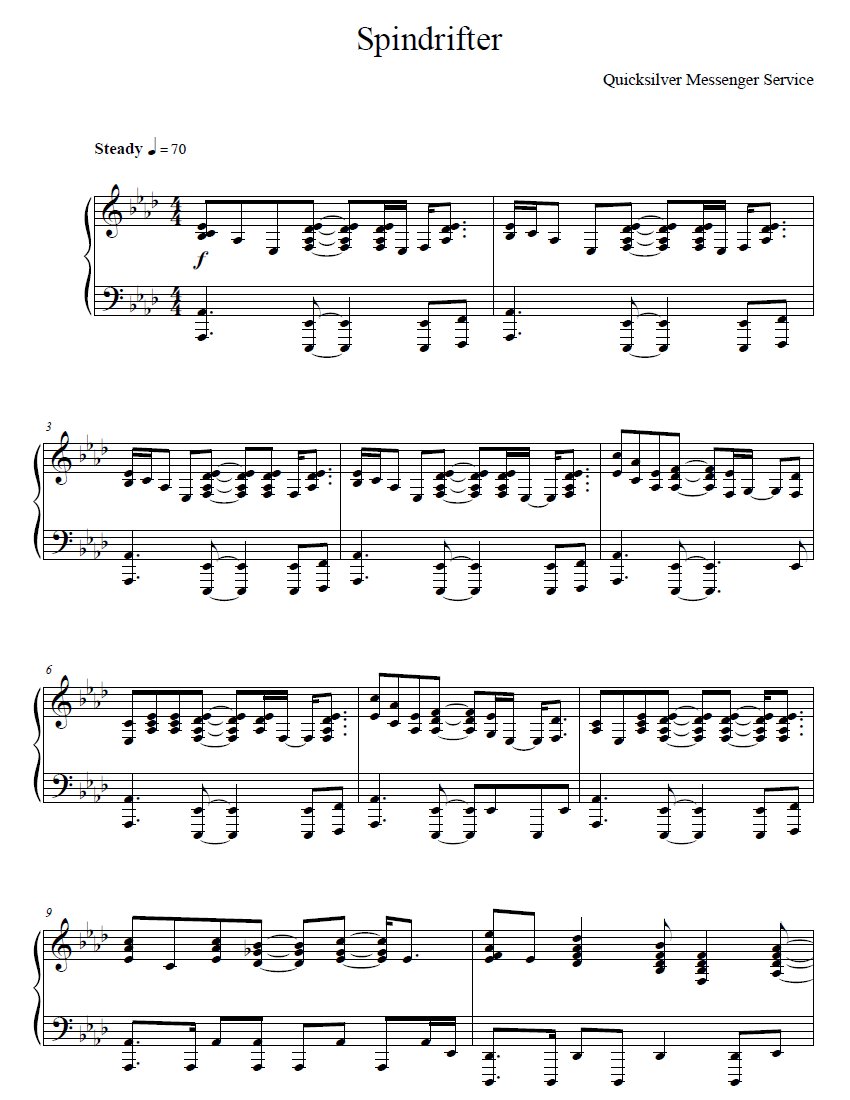
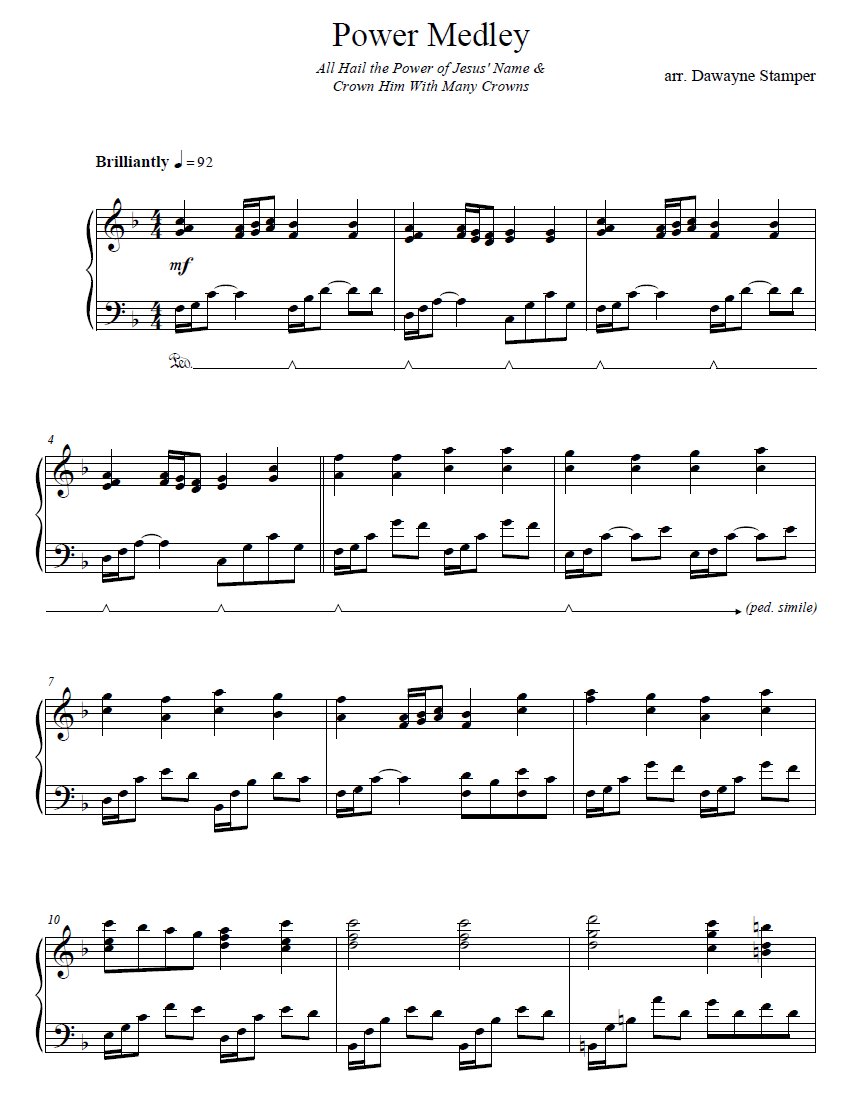
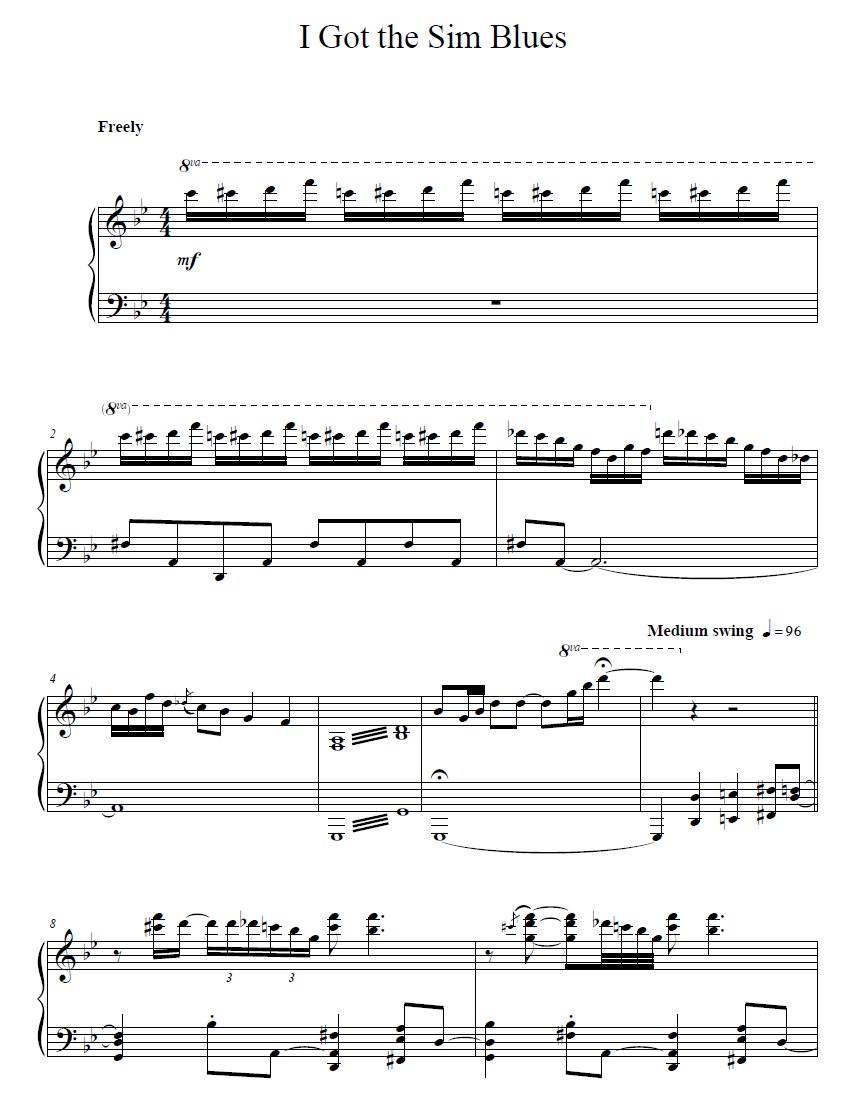
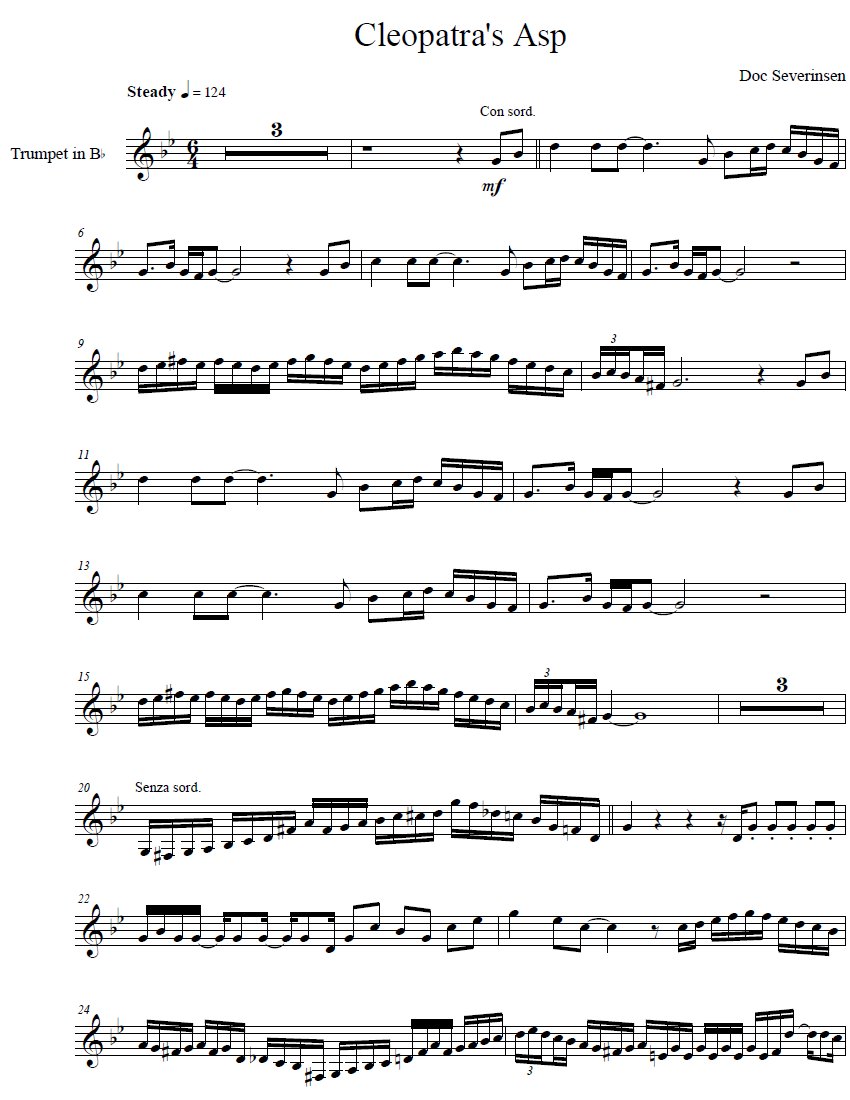
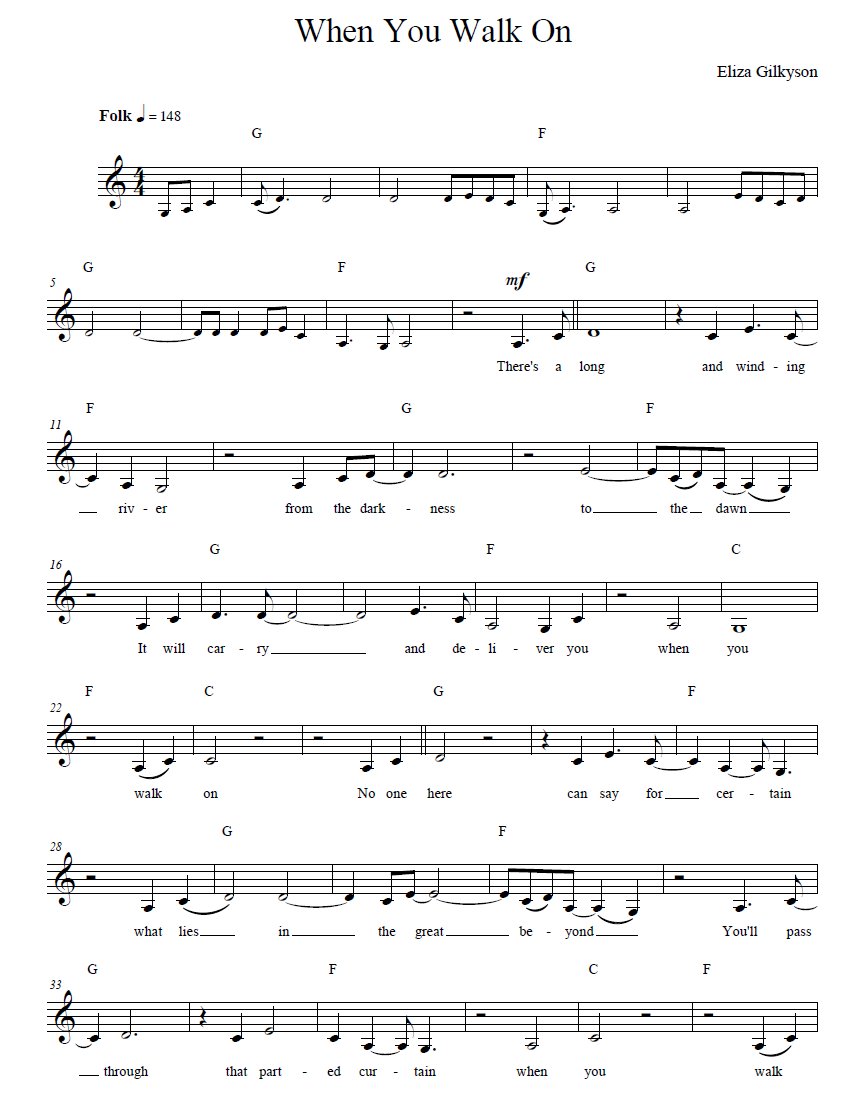
If you have a moment, please check out some of my custom piano arrangements on YouTube. And be sure to follow us on Facebook.
So You Want to Transcribe Your Own Music
There is a common misconception that in order to create quality music transcriptions, you have to be either a musical prodigy, have perfect pitch, or spend hundreds of dollars on complicated transcription software. This is simply not the case. Like any skill that you're looking to acquire, it takes practice, persistence, and patience. With a piece of staff paper, a pencil, and just a little bit of music theory under your belt (which this article assumes you have), you can be on your way to learning how to create quality, accurate music transcriptions.
The first step that you need to take in order to begin transcription is to develop a sense of relative pitch. You'll need a starting note - a reference point - on which to fix your musical scale. While people with perfect pitch can just hear any note and tell you what it is, people with relative pitch can hear any note and tell you what it is if they have a note that's been played that they can base their pitch scale from. People with perfect pitch already have this scale permanently fixed in their brain, which is why they don't need the reference note.
Relative pitch is learned by practice, practice, practice. Practice singing intervals and checking yourself on a piano. Practice listening to your favorite songs and identifying the intervals of the melody. There are entire college-level classes, Aural Skills 101, devoted specifically to developing good relative pitch. Learning this skill is the key to unlocking your transcription ability. There are some software programs on the market that will identify pitches for you, if you want to take the lazy way out, but this is a slow and cumbersome method. Instead, invest that money in ear-training software.
A good way to start developing relative pitch is to identify intervals in terms of famous tunes or songs that you recognize. Below is an incomplete chart that I began creating, but you can find numerous on-line resources that have identified hundreds of famous songs in terms of their recognizable pitch intervals.
| Ascending | Descending | |
| m2 | Jaws | Fur Elise (Beethoven) |
| M2 | James Bond Theme | Hot Cross Buns |
| m3 | Be Our Guest (Beauty and the Beast) | Star Spangled Banner |
| M3 | Holy, Holy, Holy (hymn) | Beethoven's 5th Symphony |
| P4 | Here Comes the Bride | Clocks (Coldplay) |
| TT | Maria (West Side Story) | |
| P5 | Also sprach Zarathustra (2001) | Flintstones Theme |
| m6 | Love Story (Where do I Begin) | |
| M6 | My Bonnie Lies over the Ocean | Sweet Caroline (Neil Diamond) |
| m7 | ||
| M7 | ||
| Octave | Take Me Out to the Ballgame | Hooray for Hollywood |
As you become more and more comfortable in recognizing the note-to-note interval relationships, you will eventually want to shift towards more of a key-center based interval recognition. This is to say, that instead of using the last note you transcribed as your reference point for recognizing the next note, you'll want to use the underlying tonic and dominant harmonies of the key center you're in to get your intervals.
Once you have developed your relative pitch and interval recognition and feel comfortable transcribing single-note melodies, you're ready to move on to the more complex transcription process - transcribing music that has multiple instruments, two or three separate lines, and even music with complex jazz-based harmonies.
The first step in the transcription process is to set up your score. This means identifying the initial key center (listen for a V-I cadence or listen to the last chord of the song), and finding the pulse of the rhythm. Use this information to provide your score with a key and time signature.
At this point, you need to determine whether or not the music will be transcribed "vertically" or "horizontally." In other words, whether you will hear the music in chords or in lines. This is a very important step, and is wholly dependent on the type of music you're transcribing. If you're transcribing a piano fugue, or a string quartet, you're going to want to hear the music horizontally - concentrate on one line of music and try to ignore the others. I find this works well with most piano pieces, trying to isolate one hand at a time. In essence, when you can hear how individual notes move from one to the other, you want to take a horizontal approach. The horizontal approach will also, for the most part, create more accurate transcriptions.
The vertical approach, (chord-based), is the mindset you use when transcribing music with large amounts of polyphony, difficult to grasp jazz harmonies, or close knit tonal clusters. Examples of this would be a jazz vocal quartet, or piano music with lots of chords. The vertical approach is based around the concept that you recognize the chord that is being played (major, minor, diminished, augmented, seventh, ninth, etc), and then you "estimate" the notes in your transcription so that they match the tones in the chord you've identified. While this method doesn't often produce a note-for-note transcription, it captures the essence of the piece well enough to trick most listeners. It's much easier to transcribe using this method if you play the piano or guitar or some instrument that allows you to play multiple notes at once. Being able to recognize chord qualities is a lot like learning to recognize intervals - it just takes practice.
Once you've determined the best approach for the piece, next comes the long and arduous process of getting the notes down on paper, listening to two or three second intervals, sometimes repeatedly. It may help if you do your transcription near a piano or a keyboard so you can check your progress along the way. Once you've gotten all the notes in place, you can go back and add articulation marks, chord symbols, lyrics, etc. Remember to space the manuscript so that it's easy to read and pleasant to look at. Music is more of an art than a science, and your transcription should reflect that.